LEGO Masters week 12 exit interview
Posted by MeganL,
We're at the penultimate episode of the season, and there's just one challenge to go before we get to the final challenge. Read on to learn what that final challenge was, and which team has the ultimate approach avoidance issue - being the team that gets sent home right before the finale.
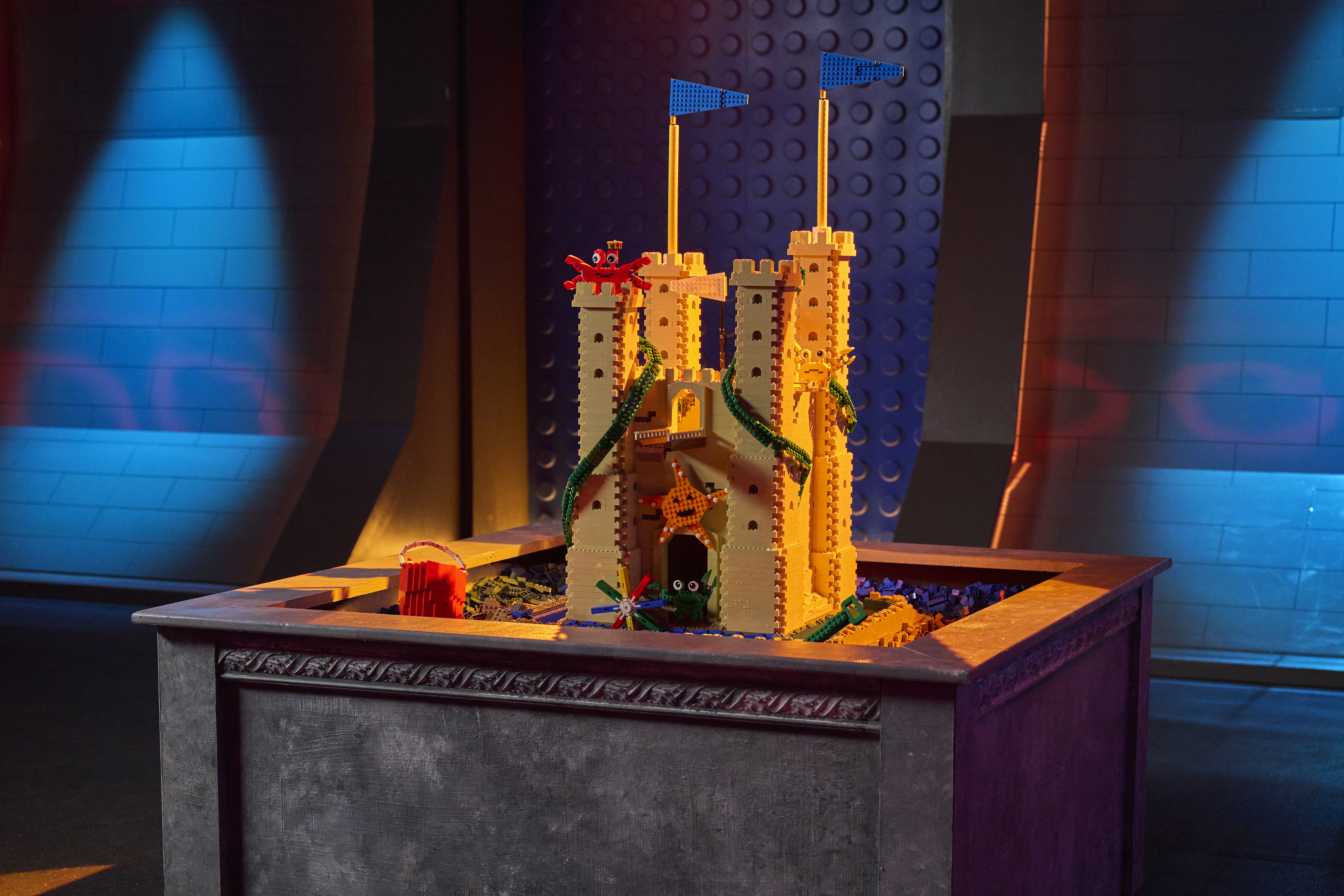
This week's challenge was a fountain! All four teams took very different approaches, but finishing a very interesting season, Nick and Stacey won the challenge after a string of being in the bottom two.
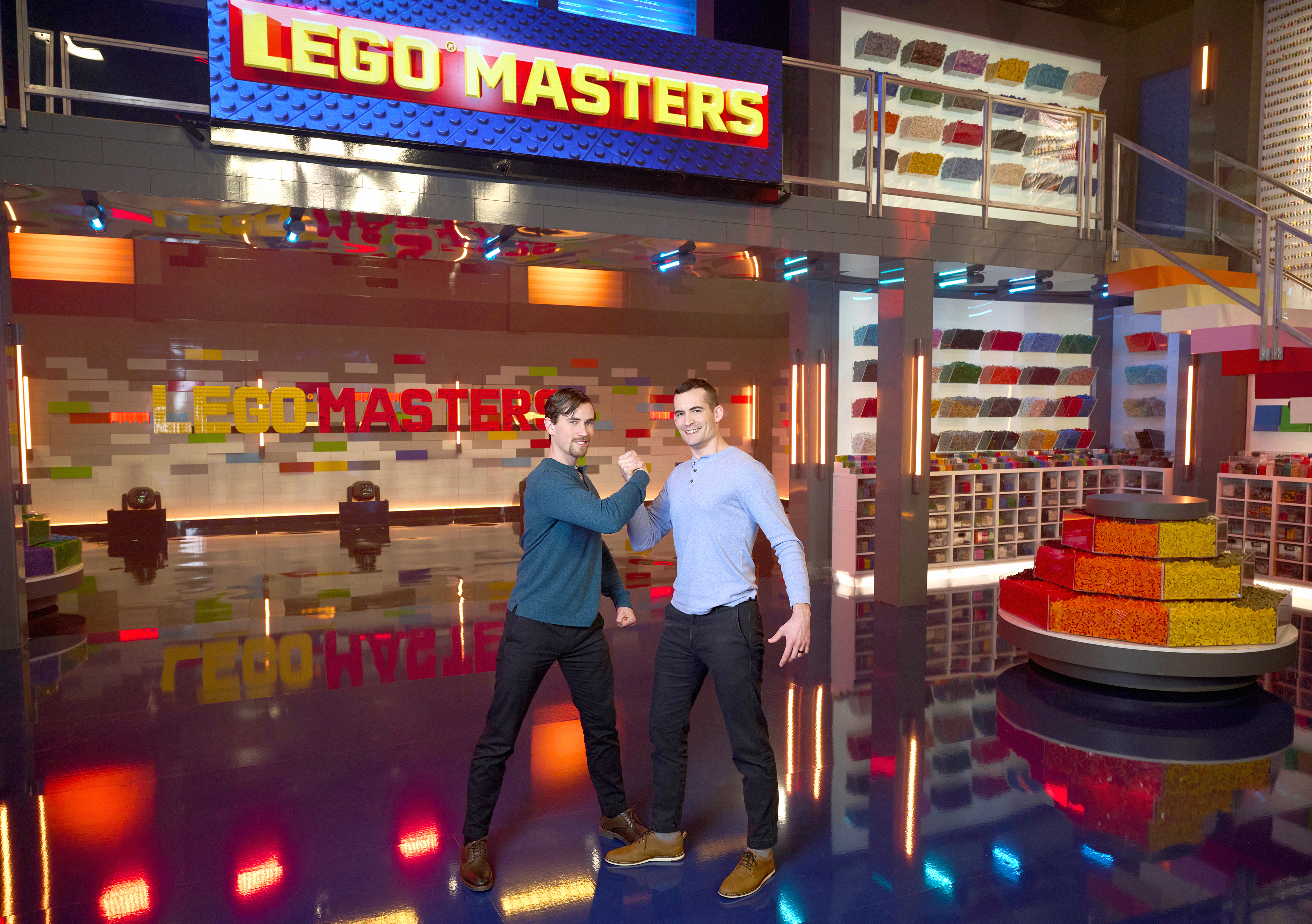
The team that got sent home before the finale were brothers Brendan and Greg.
What was the biggest challenge for the two of you building on set versus at home?
Brendan: It's hard to say, it was so different. I find it hard to compare, especially for me. I've done more actual digital MOCing than I have in person building. I don't really have much of a collection, I’m not a typical AFOL in that way. I'm used to the visual building, but I'm very conceptual. I don't necessarily struggle to translate that to real life. Of course, the time constraint is a big one. Most people probably talk about that. But I come from a work environment where I have to estimate tasks and manage my time, so that was not completely out of place. I think the biggest challenge was just building something to order. Building something that somebody else asked for. And it's not entirely clear what they're wanting out of it, necessarily. That can be hard to understand. Sometimes somebody can get off on the wrong foot and the judges come around and tell him like, “Oh, that's what he wanted.” And you're stuck in that groove already. Probably the most difficult part was having to build something with some specifications. But then again, it's very subjective. It's open to interpretation, and it's hard to know if you're delivering or not.
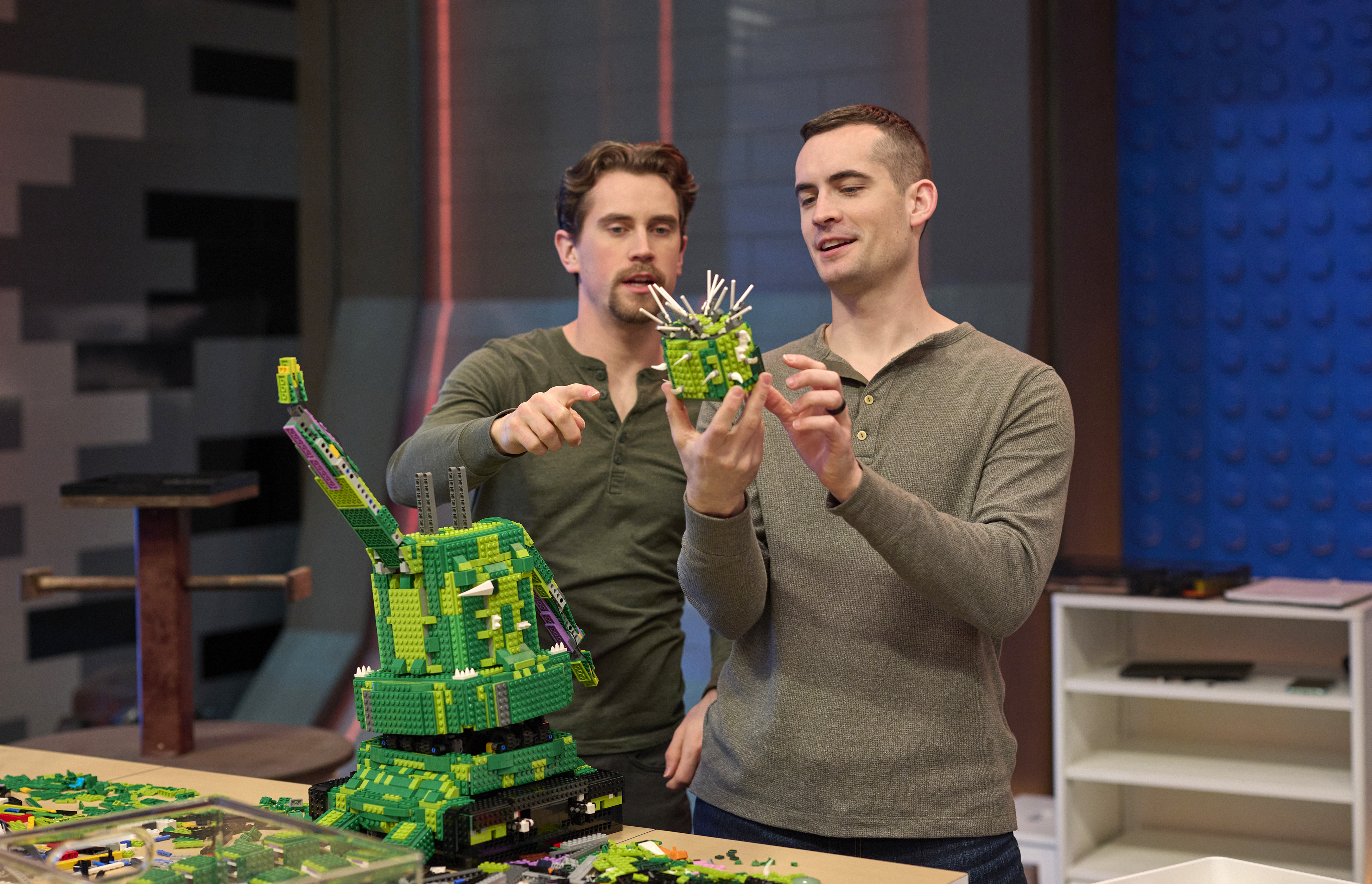
You struggled coming up with a concept in this last challenge. Walk us through the struggle you encountered.
Brendan: I have looked back on that a lot, to every detail. And I had to say in summary, I feel like it must have been meant to be because there were so many things out of place that just was not like us. I was like, how did that happen? Throughout the season, we were consistent. We came up with a plan. We scheduled our time, we broke it down, and we executed. I like to think by and large we executed well. And this time, regardless of the writer's block that we got at the beginning, we just didn't execute. We didn't plan it as well. We just didn't manage to follow through. I was definitely off base when it came to the mechanical things. There are so many things I've looked back where I'm like, I easily could have done that a different way that would have been more effective. It’s not even something like “Oh, that's a brilliant idea.” It should have been obvious to me at the time. So you know something was off. Honestly, we even went into that challenge feeling pretty good. The previous episode ended early. So we were well rested.
Greg: So I think one of the biggest things that ended up burning us in Episode 12 was that we had a solid content in terms of what we wanted to execute, but I think there was a little bit of miscommunication between us in terms of some of the scale. As Brendan mentioned, that was difficult for us. Most of the time (challenges) we were building within about 30 minutes of the clock starting and in this case, it was over an hour. I think it's about an hour or 10 once we finally landed on that concept and started putting brick down, so that was a big part of it. Some of the concepts we had landed on were great, but they were ambitious. Then, once we landed on our final concept, I spent about half of that episode just dealing with the pump and the hoses. They were very difficult to use. The control of the system was quite tricky, and then you're constantly splattering water everywhere. So there was that unpredictability element for us, because of how high we were trying to move a lot of the water and then having it come from the top of the window back down. We introduced an additional layer of difficulty. As far as controlling the water flow, the pumps would accidentally cut off to about half speed. You couldn't fully control the flow of water. I spent easily four hours of that episode like trying to be a hydrologist I guess and learn about water flow. The Stephens had an advantage because they deal with hoses and water flow all the time. Then Nick and Stacey, they were just a lot smarter in terms of trying to do something very simple with their water. Dave and Emily kind of the same thing. So we did something more ambitious. Leave it to us to overengineer a challenge but at the same time, we just did not realise how wildly unpredictable and difficult the water was going to be to work with. We just normally executed that concept no problem. It was how many hours I sunk into dealing with the water alone. That really was what burned us in the end.
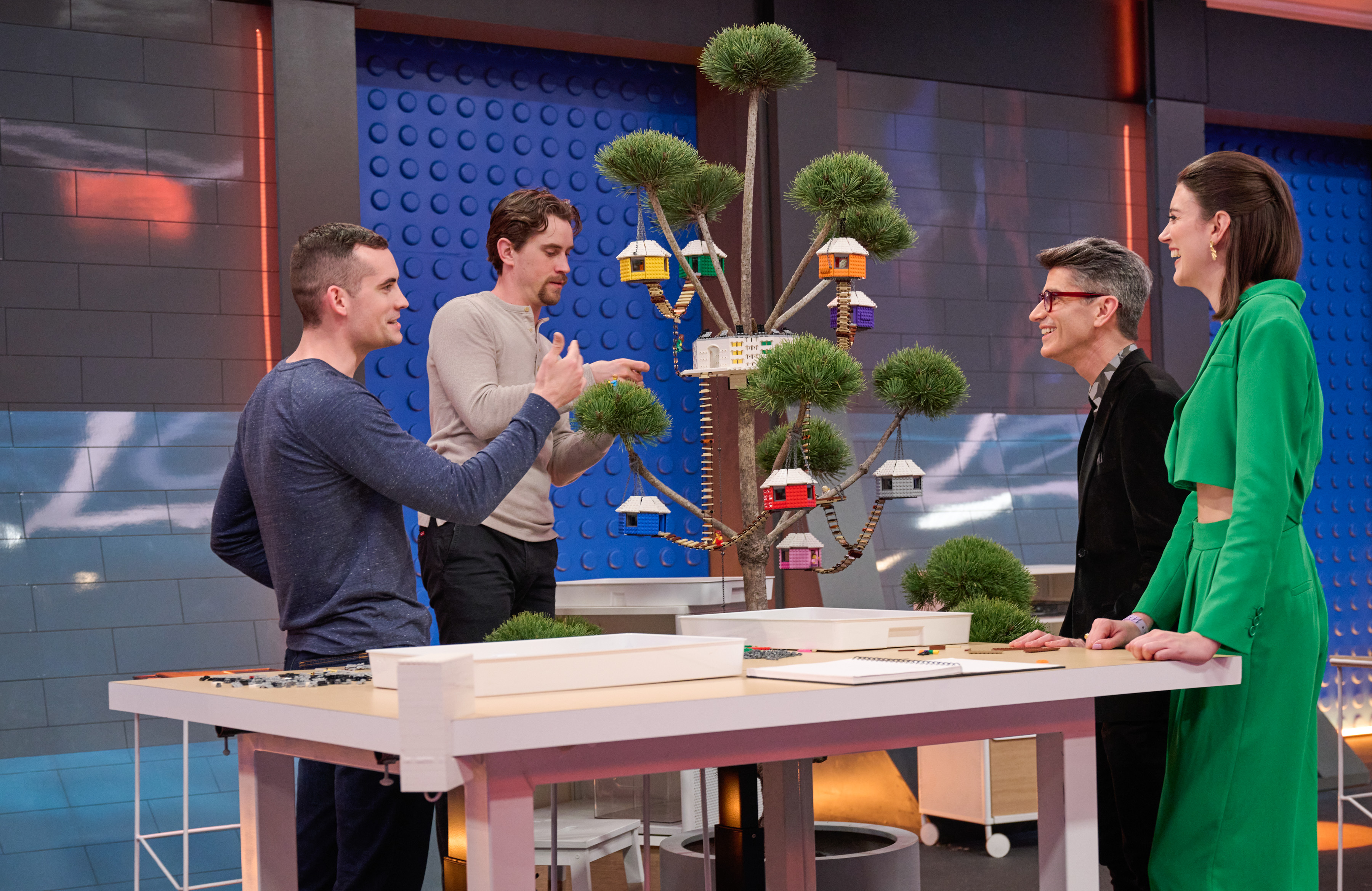
What was your favourite build from this season?
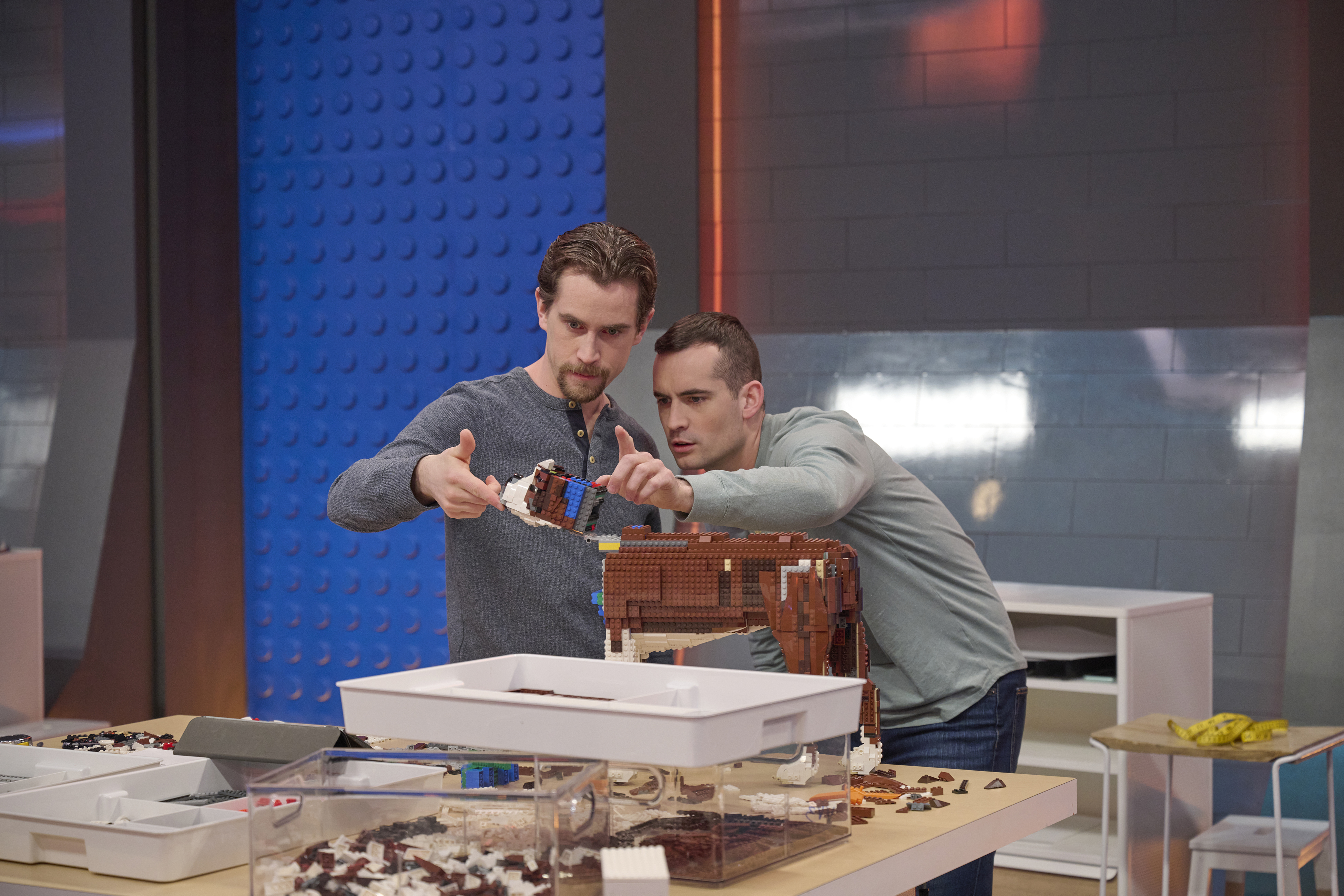
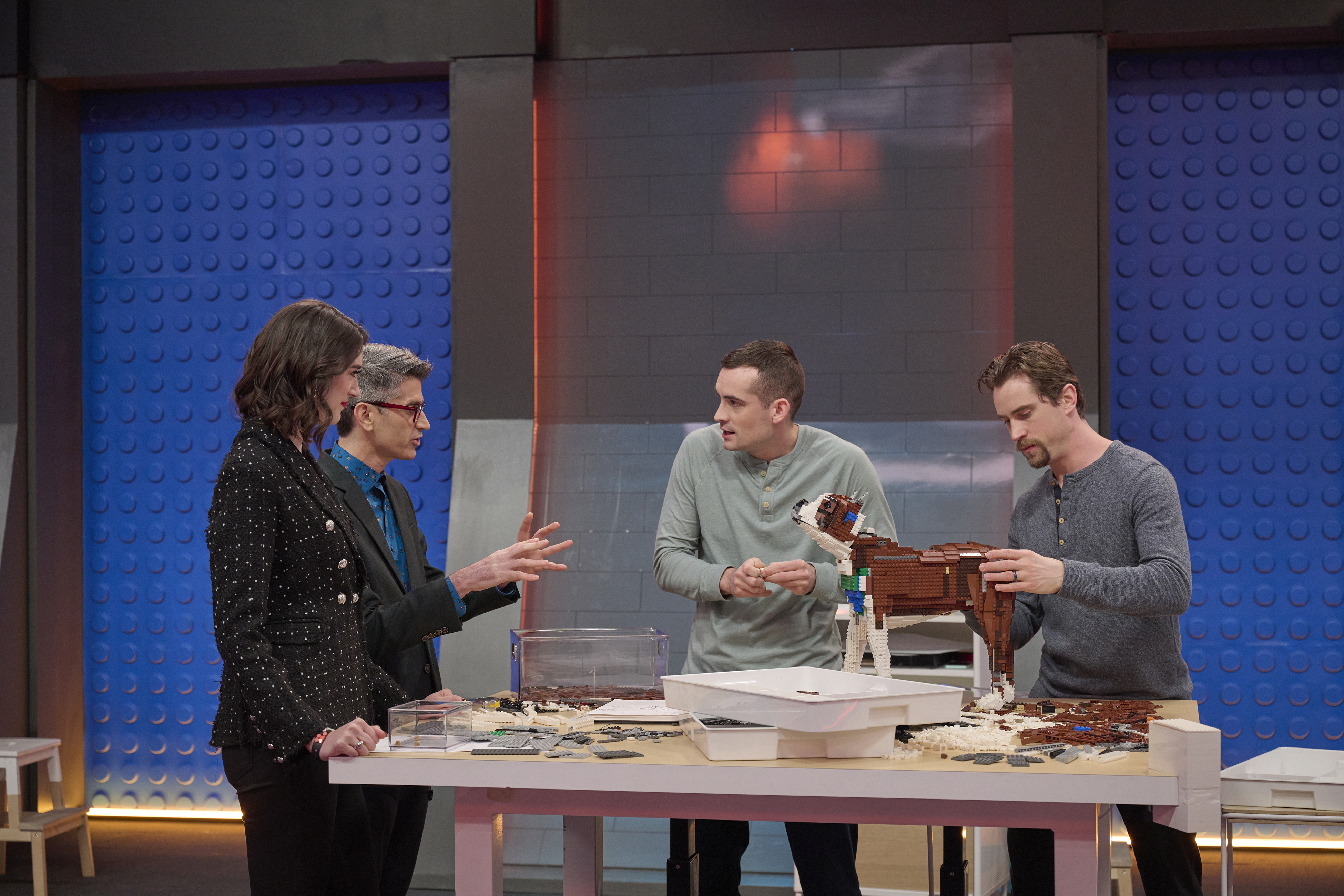
Greg: Oh, the Boston terrier from Episode Five.
Brendan: I also really enjoyed the dog build. But I appreciate it that the model sculpting kind of objective side of things for me in terms of kind of what I did would probably be the mechanical what should we call the flight simulator as I call it from the whale camp in Episode Seven. That was that I felt pretty proud of.
Greg: It's worth noting in terms of that mechanism that he created. Jamie actually told us and it didn't make the edit, but Jamie told us in the studio. He said if we had tried to produce that at like an official LEGO facility, he said we probably would have worked on it for a week with a team of people. You know, and from start to finish. Brendan produced that in 11 hours as a flawlessly functional model. So from an engineering standpoint, wicked impressive. And I know I'm a little biased because he's my brother, but it's probably the most advanced thing that's ever been engineered on the show.
What are your takeaways from this experience?
Greg: I voiced this on the show that it’s like metal. Let's say that you're trying to forge a sword, to make that into something which is just useful, right? You have to put it under heat, and you have to put it under stress. You have to put it under pressure, and you're beating it with a hammer, and it's going into heat, and then it's going into water, and it's getting cold. And what that's doing is it's forging the metal, and it's tempering the blade, and then that means that it can take an edge, and now it can be used in a useful or meaningful way. And so I think that an experience like this, there's a lot of the same thing. It helps forge you as a person. But that's a frustrating way to end. It's like getting disqualified at mile 25 of a marathon. And then we get cut at the very last stage before the finale. So that's a difficult thing to experience. I think overall that we responded pretty well to those stressors. But for me, the experience holistically, it was really cool to get to handle and approach LEGO at such a high level which you don't normally get to do. You're taking something that's maybe generally a hobby for you or an outlet for stressors for certain people. But it's something that I've always liked to approach very seriously. It's kind of an art medium. And this is like the major leagues of competing with LEGO.
But to get the time to spend with Brendan to is really cool because we were quite close as younger kids together growing up on the farm we did in the Midwest, but you know, we live about 1400 miles away, and we have for the last several years. So that was a cool opportunity. LEGO has been something that we've always had this been a bonding agent for us. And so to get to go back to that thing, and then compete together in the major leagues, over this shared interest was a really cool opportunity and to get that much time together to just normally not get in the course of our daily lives.
Brendan: And I just want to say for myself, I can't claim to be quite as passionate as Greg is, but I am definitely ambitious and competitive. I do try to hold my expectations a little lower. So going in like I don't know what we're up against. We really got to feel this thing out. We haven't been tested but after a few challenges, we're doing well. I really think we can do this, and so we wanted to win. Wasn't sure if we could, but I know we were capable of it. So we definitely had our eyes on the prize whether or not we thought it was possible, and we gave it our all. It was pretty crushing. We felt that coming because we knew we weren't doing well. We went so far, we had a great idea for the finale. We knew we had the stuff you know and at the end of the day it is what it is.
Greg: Not gonna lie, after we walked out of the studio, we did shed a few hot tears in the parking lot.
Brendan: I’m not an emotional guy, I don't cry. But I cried.
Tell us a bit about how you got into the LEGO hobby.
Greg: So for me, I played with LEGO from the time I was about six. I remember when we were kids and in that collection was actually a lot of my dad's LEGO from when he was a kid. So there was Lego in that tub that was probably 40 years old. And then my brother added some sets to it, and we spent time to play as siblings. I bought my first set which was the Bull's Attack set (6096) on eBay on dial up internet when I was 12. I started doing stop-motion when I was 14. I've just never stopped so that's actually been a big avenue through which the art medium has grown for me is through doing stop-motion animation.
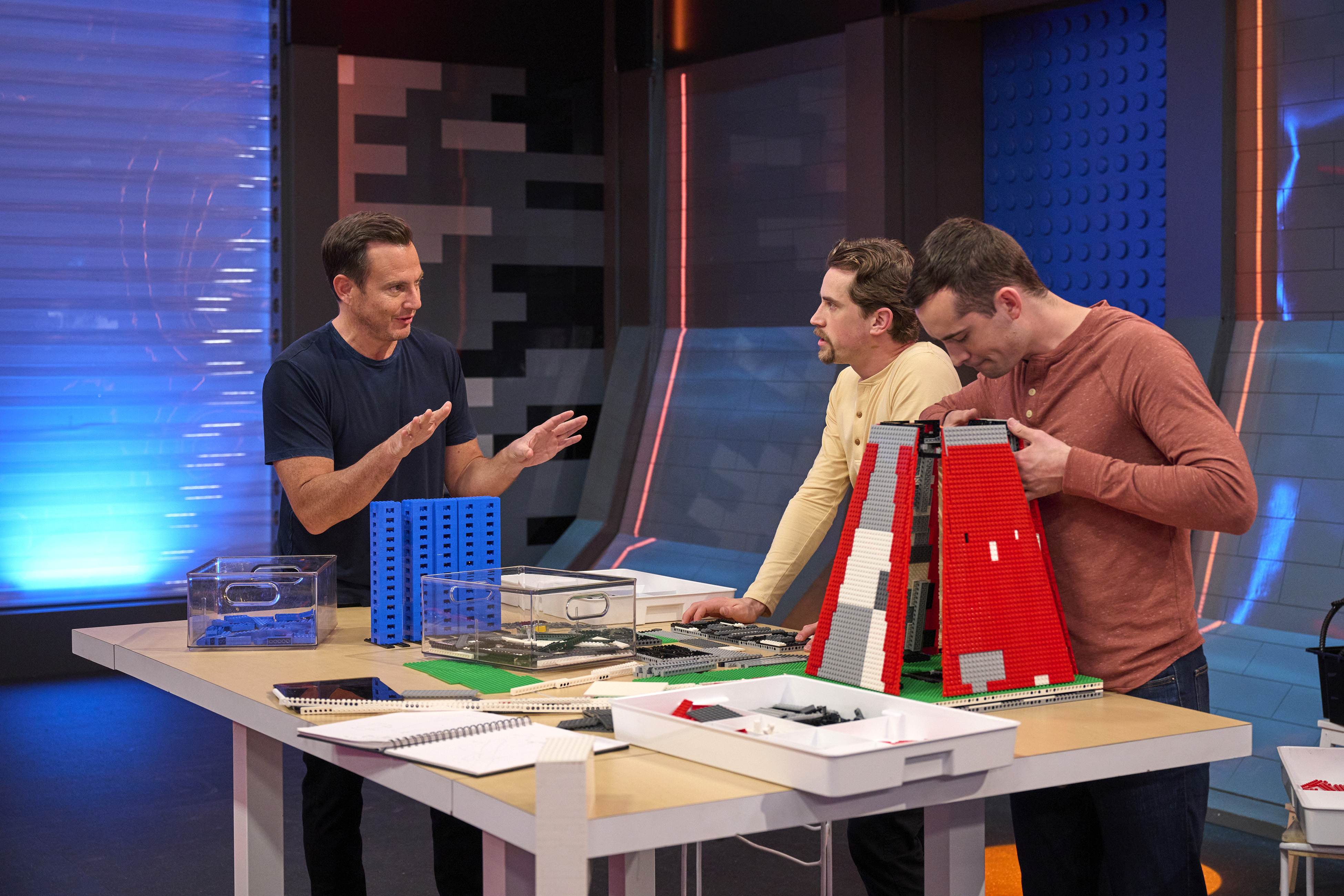
Brendan: As brothers we obviously grew up in the same house playing with the same family collection. I didn't invest quite as much as Greg did. I was more of a cheapskate and went for alternative building systems that were more affordable. But I never lost that interest. I tend to dream big. I always felt limited by our meagre kind of old style collection and so that's part of why I shifted to one of the digital building medium. I really liked that unlimited factor of parts and colour so that was a really cool aspect of building on the show. Although you know the collection is curated a certain way you don't have every kind of like a part available. Those that they lean into, especially traditional bricks, do feel almost unlimited. You really get to lean into that if you build in the right style, and that's pretty fun. I remember especially building the castle. We went for a pretty standard brick style. It was a fairly square, and we just went back for buckets and buckets of two by eights and two by fours, and they just kept coming and that was a pretty cool experience.
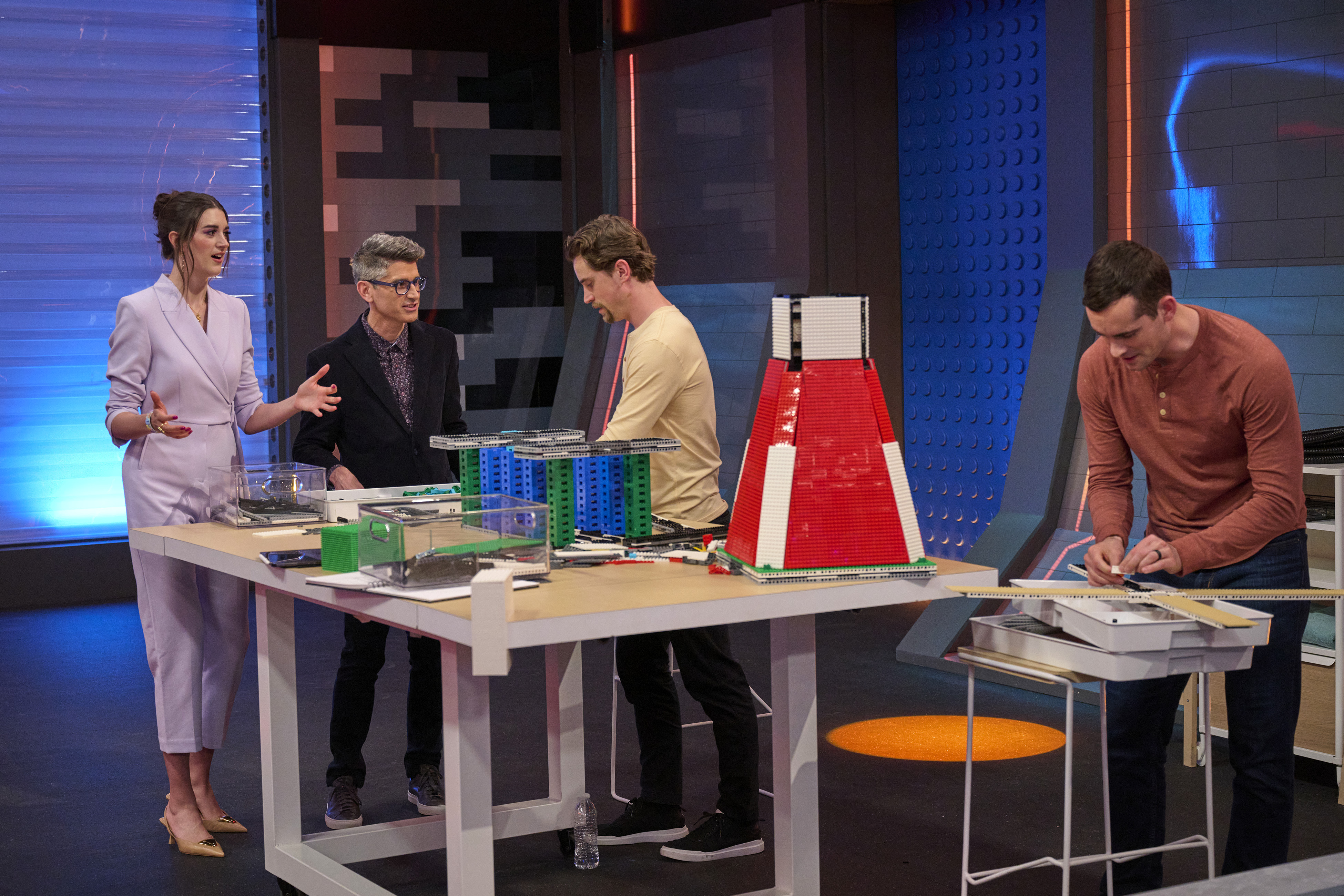
What advice do you have for AFOLs starting out trying to develop their MOC skills?
Greg: Personally speaking from more of an engineering perspective, I just like gathering information, follow blogs, find builders that you like. You can learn techniques, you can get inspiration. And personally I just like to familiarise myself with the system or look for new parts that are released. I like to think about how they interlock. I like to look around my world and think hey, how would I build that in LEGO? How would I build that? Some kind of jump off the wall at you and they sort of fall into place. Otherwise, you really have to think, how could I possibly build that with Lego? I like to keep it in my head, if you will, and always have that as a toolbox. Everyone has a different style, some are more plugged into the part of the community that attend conventions. So in that sense, I would say find your groove, right? Find the style that you like, find other builders who build on the same style. Reach and get inspiration because Lego as something for everyone.
Brendan: My answer to that would be start by buying a variety of LEGO sets. Give yourself some technic, get yourself a creator, get yourself a kind of a smattering of different themes or styles because what that will do is it will teach you the brick system. And it is a system right, and it's a wicked complicated one. But it's actually a very simple system. And it's sort of basic interaction, right? You're taking something which does, and you're attaching it to something else that accepts that. So at its core, it's not very hard to understand how to use, but the complexities of what can be achieved with it, just almost boggles the imagination. But if somebody had a smattering of sets from different themes, styles, etc. It would do a lot to teach a new Lego user about how the brick system interacts with itself how the technic system interacts. And what that'll do is it'll give you the sort of foundational tools to then begin to explore into areas of personal interest or design.
This week's final builds:
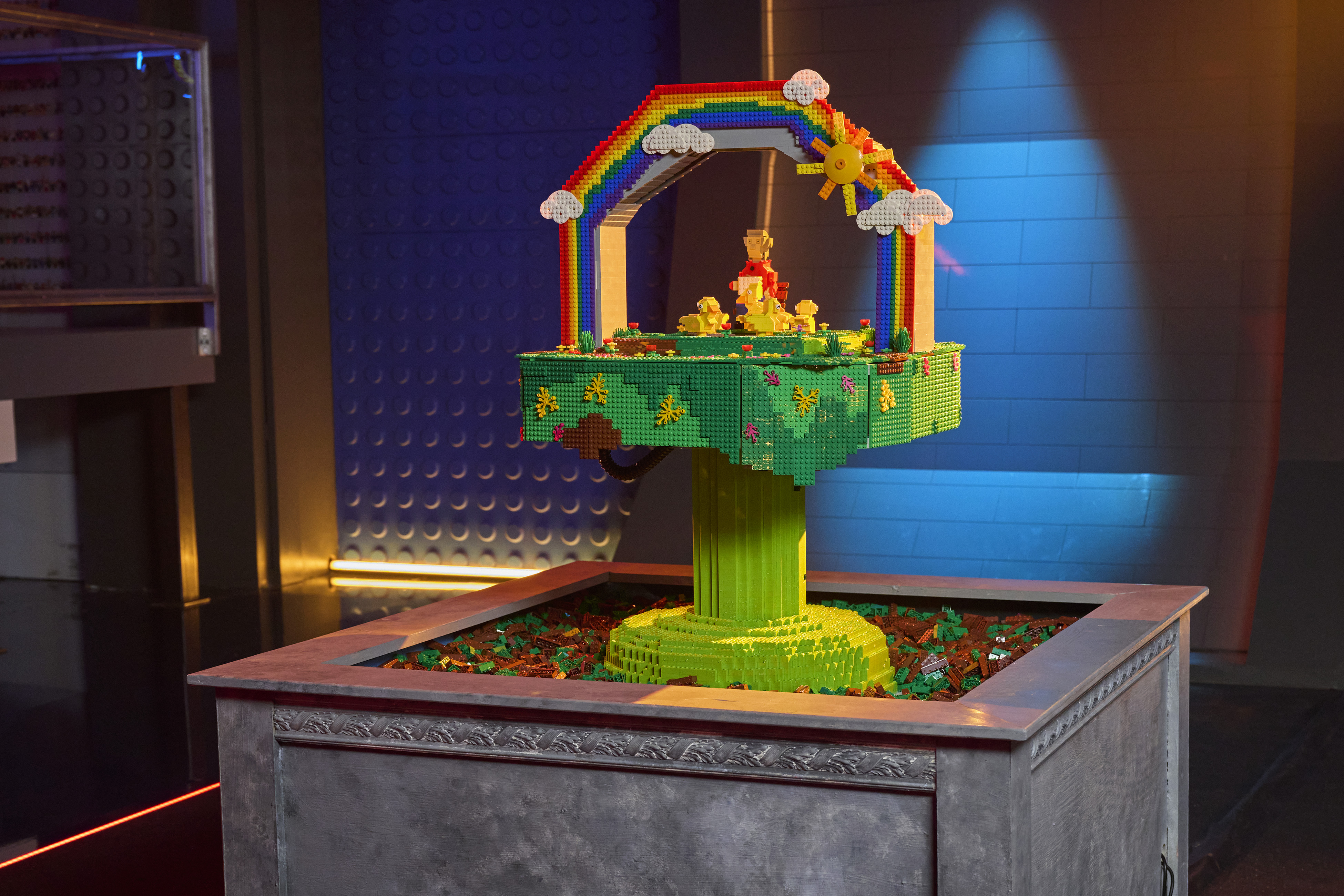
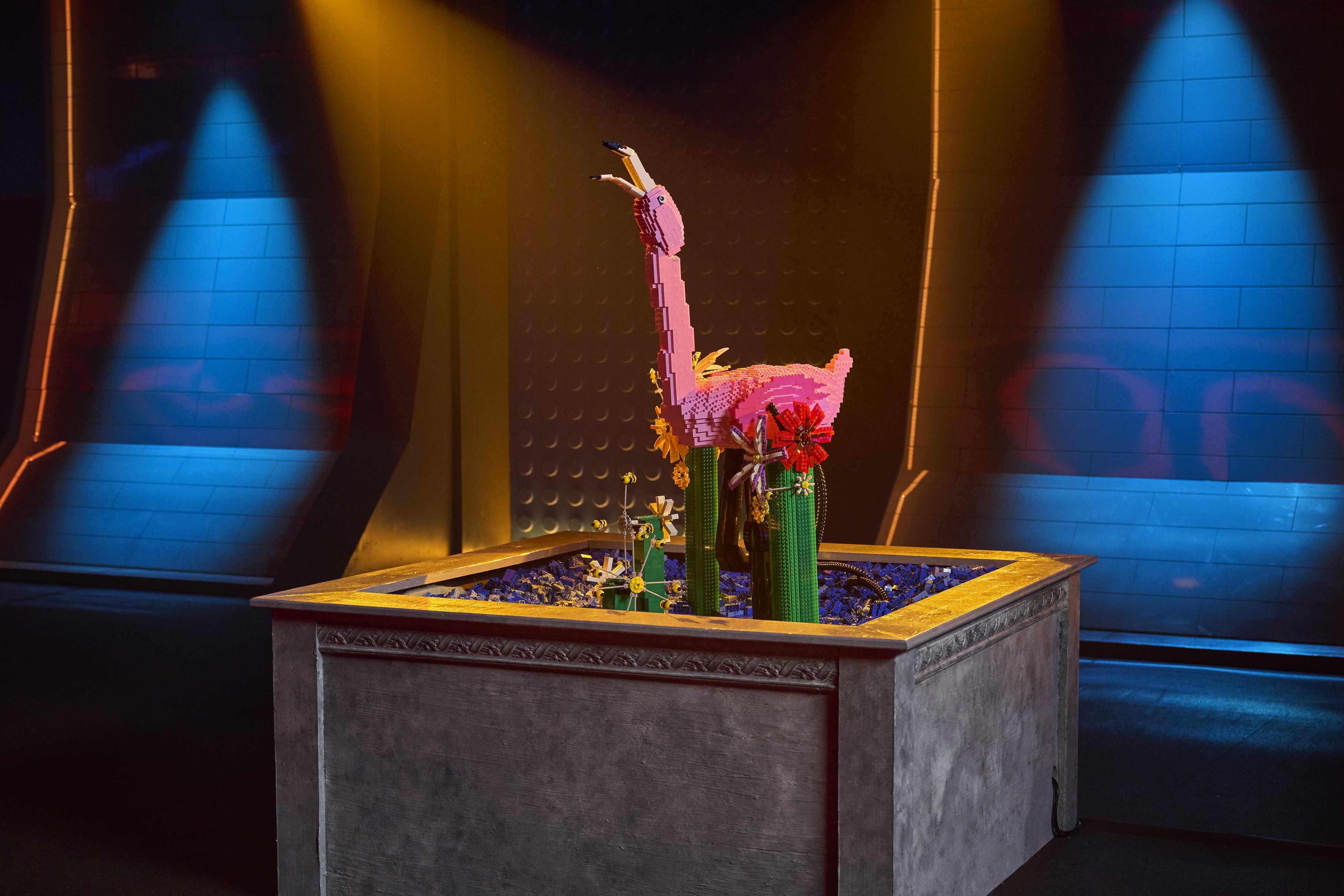
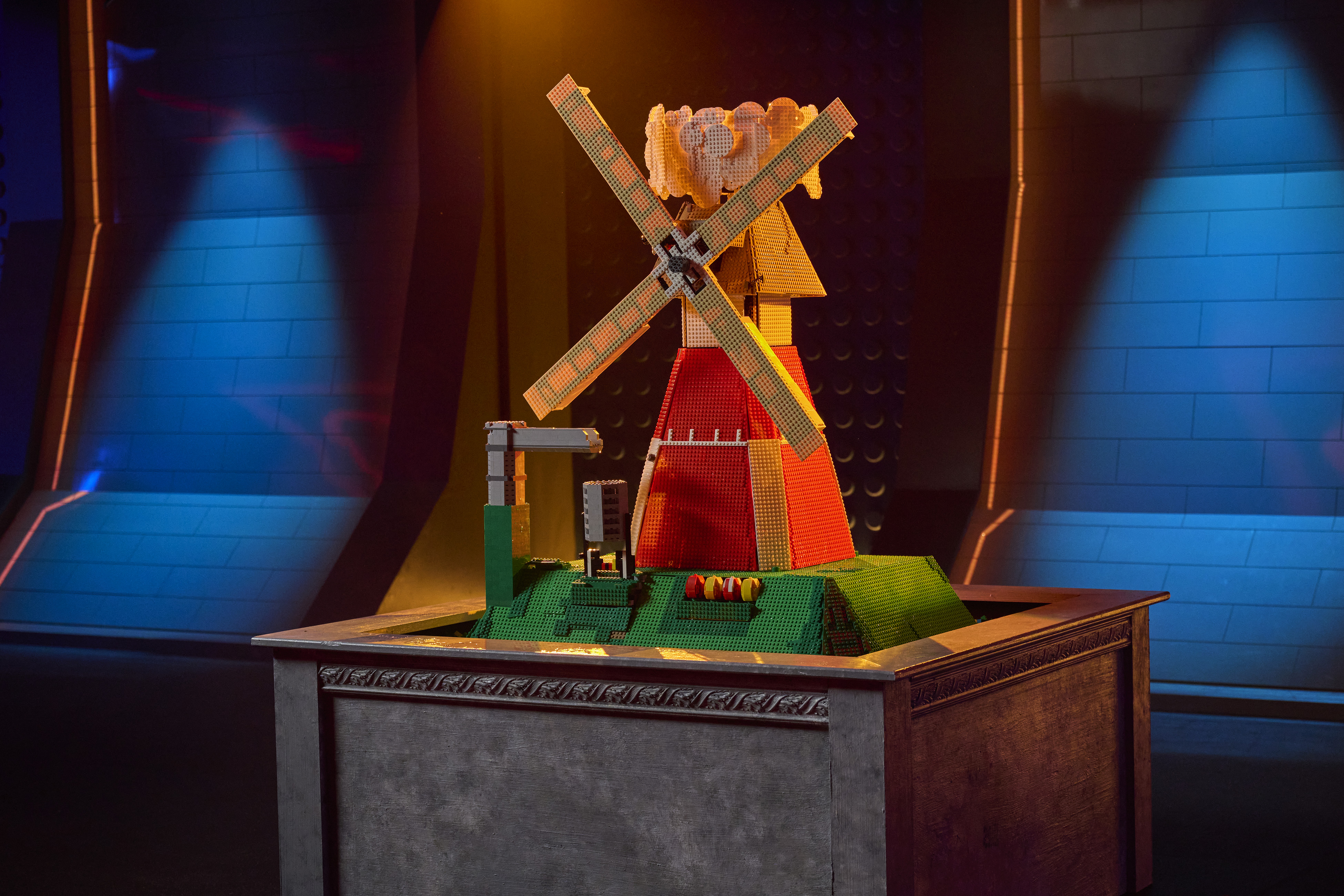
All photo credits: FOX
1 like